
Pharmacy Marketing Strategies 2026: Independent Owner's Guide
Discover effective pharmacy marketing strategies 2026. Engage patients, integrate digital tactics, and thrive against retail chains with our expert guide.

Pharmacy Marketing Strategies 2026: Independent Owner’s Guide
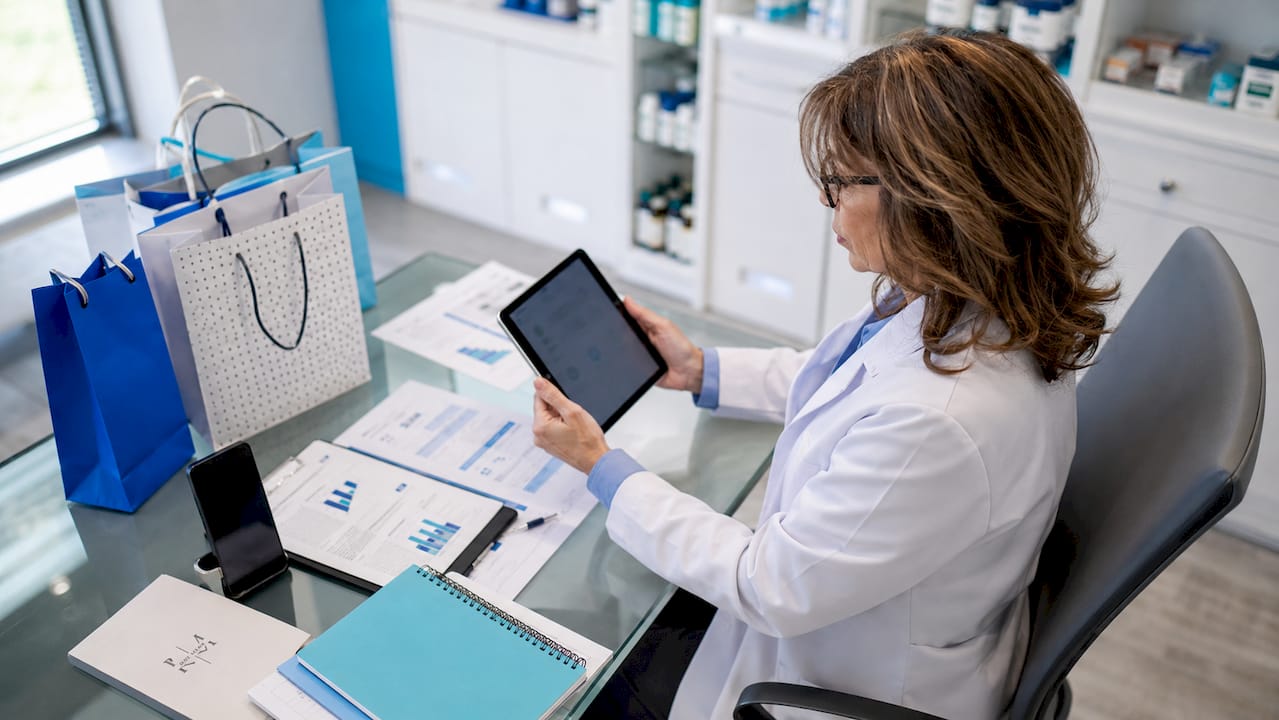
Pharmacy marketing strategies in 2026 are defined by digital integration at the point-of-care, personalized patient engagement, and measurable omnichannel campaigns that prioritize trust and compliance. Independent pharmacies face real pressure from retail chains and telehealth giants, and generic marketing no longer moves the needle. The pharmacies winning right now are the ones blending speed, trust, and retention into a single, coordinated system. This guide breaks down the specific tactics that work, why they work, and how you can apply them without a massive budget.
1. What key digital integration strategies are transforming pharmacy marketing in 2026?
Digital integration is the foundation every other pharmacy marketing tactic builds on. Without it, your paid ads, social posts, and email campaigns all operate in silos, and silos bleed money.
Start with your Google Business Profile. Optimizing your profile with full categories, MedicalBusiness schema, OpeningHoursSpecification markup, and weekly posts directly improves how often you appear in local searches. Patients searching “pharmacy near me” at 9 p.m. need to find your hours, your services, and your phone number instantly.
Point-of-care advertising is also underused by independent pharmacies. 38.8% of patients searching for health information online notice pharmacy ads. That rate beats social media ads, which only 30.4% of the same group notices. The patients you want are already looking. Your job is to show up where they are looking.
- Local Inventory Ads: Run Google ads that show real-time stock availability, like “Ozempic in stock near me.” Patients with urgent medication needs click these fast.
- Telehealth integration messaging: Add copy to your website and ads that connects your pharmacy to clinical workflows, such as same-day prescription fulfillment after a telehealth visit.
- Digital asset management: Keep all branded materials, logos, ad templates, and compliance-approved copy in one organized system so your team pulls from approved files every time.
Pro Tip: Run geofencing mobile ads targeting patients near hospitals and clinics. A quick refill message delivered at the right moment, right outside a doctor’s office, is one of the highest-conversion tactics available to local pharmacies.
2. How does personalized patient engagement build trust and retention?

Mass marketing is obsolete for pharmacies. Patients expect communications that match their condition, their history, and where they are in their care journey. A diabetic patient does not want a generic flu shot ad. They want information about A1C monitoring supplies, insulin storage tips, or a refill reminder for their metformin.
CRM segmentation makes this possible. When you tag patients by condition, refill behavior, and pickup frequency, you can send targeted messages that feel personal rather than promotional. That shift from broadcast to conversation is what builds loyalty.
- Condition-specific campaigns: Create separate email and SMS tracks for diabetes, hypertension, and asthma patients. Each track gets content relevant to their medications and seasonal health risks.
- Edu-tainment content: Short videos on TikTok and Instagram Reels featuring your pharmacist explaining drug interactions or debunking medication myths build patient engagement and trust at scale.
- SMS refill reminders: A simple, personalized text three days before a refill is due reduces lapses and keeps patients coming back to you instead of switching to a chain.
- Personalized newsletters: Monthly emails segmented by patient type, with relevant health tips and pharmacy updates, outperform generic blasts on every metric.
Pro Tip: Automate a thank-you message after a patient’s first pickup. Include a direct link to download your pharmacy app or join your loyalty program. First-time patients who take a second action within 48 hours have a much higher chance of becoming long-term patients.
3. Which omnichannel tactics are most effective for pharmacies in 2026?
Omnichannel orchestration, not just omnichannel presence, defines pharmacy marketing success in 2026. The difference is coordination. Your Google ad, your Instagram post, your email, and your in-store signage should all reinforce the same message at the same time.
Paid media is a strong acquisition channel, but pharmacies often underinvest in what happens after the click. Allocating at least 10% of your paid media budget to ongoing conversion testing is the recommended benchmark. Sending traffic to a generic homepage instead of a condition-specific landing page wastes every dollar you spent getting that click.
SEO for specialty landing pages compounds over time. Build separate pages for compounding, immunizations, diabetes care, and medication therapy management. Each page targets a specific search query and a specific patient need.
| Channel | Best use | Key metric |
|---|---|---|
| Google Search Ads | Urgent medication searches, new patient acquisition | Cost per new patient |
| Local SEO | “Pharmacy near me” and condition-specific searches | Organic ranking position |
| Email marketing | Refill reminders, seasonal campaigns, loyalty | Open rate and refill rate |
| Social media | Trust-building, edu-tainment, community presence | Engagement and profile visits |
| SMS | Time-sensitive reminders and urgent alerts | Click-through and response rate |
Seasonal content timing also matters more than most pharmacy owners realize. Publishing flu shot content in September, allergy content in march, and insurance update content in january, each 4–6 weeks before demand peaks, gives your pages time to rank before patients start searching.
Pro Tip: Build a seasonal content calendar at the start of each year. Map your top five revenue services to their peak demand months, then schedule content publication 4–6 weeks ahead. You will rank when it counts.
4. How is AI being applied responsibly in pharmacy marketing?
AI in pharmacy marketing works best when it operates inside clear regulatory guardrails. The technology is genuinely useful for automating campaign targeting, predicting refill drop-off, and personalizing content at scale. The risk is in the messaging itself.
AI-powered marketing automation improves campaign efficiency and enables real-time performance tracking. But pharmacy ads must avoid prohibited claims. Phrases like “cures,” “treats,” or unqualified health outcome statements trigger ad rejections and can create compliance exposure. Compliant alternatives like “Licensed Pharmacist Consultation Available” or “Ask Our Pharmacist” keep campaigns running and protect your license.
Compliance-aware messaging combined with a digital asset management framework strengthens brand governance and makes performance measurement more reliable. When every ad pulls from a pre-approved content library, your team moves faster and your legal risk drops.
- Predictive analytics: AI tools can flag patients at risk of refill lapse before it happens, triggering automated outreach at the right moment.
- Chatbots: A HIPAA-compliant chatbot on your website handles after-hours questions, captures new patient inquiries, and reduces phone volume during peak hours.
- Ad copy generation: AI drafts compliant ad variations at scale, which your team reviews and approves before publishing.
- Performance dashboards: Real-time reporting tools connect marketing spend to patient acquisition and retention metrics, so you know exactly what is working.
Pro Tip: Build a “prohibited terms” list specific to pharmacy advertising and load it into your AI content tools as a filter. This single step prevents most ad rejections before they happen.
5. What practical steps can independent pharmacies take right now?
Independent pharmacies do not need a massive budget to compete. They need a clear sequence. Start with your digital foundation, then layer on channels as you build capacity.
The digital marketing trends shaping healthcare in 2026 reward pharmacies that show up consistently across search, social, and email, not just the ones with the biggest ad spend. Consistency beats volume every time.
Here is a practical starting sequence:
- Claim and fully optimize your Google Business Profile. Add photos, update hours, enable messaging, and post weekly.
- Set up basic CRM segmentation. Even a simple three-segment system, new patients, active patients, and lapsed patients, lets you send more relevant messages.
- Launch one seasonal SEO page per quarter. Flu shots, allergy season, back-to-school immunizations, and open enrollment insurance messaging each deserve their own page.
- Run a single geofencing campaign near your top referring clinic. Test it for 30 days and measure new patient inquiries.
- Automate refill reminders via SMS. This one tactic alone reduces lapse rates and keeps patients from drifting to a chain.
| Tactic | Budget level | Time to results |
|---|---|---|
| Google Business Profile optimization | Free | 2–4 weeks |
| Seasonal SEO landing pages | Low | 4–8 weeks |
| SMS refill reminders | Low to medium | Immediate |
| Geofencing near clinics | Medium | 2–4 weeks |
| CRM segmentation and email | Medium | 4–6 weeks |
| AI-powered ad automation | Medium to high | 4–8 weeks |
The healthcare marketing case for independent pharmacies is clear. Patients choose pharmacies based on convenience, trust, and communication. You can compete on all three without matching a chain’s budget.
Key takeaways
The most effective pharmacy marketing strategies in 2026 combine digital integration, personalized patient communication, and compliance-aware AI tools to drive consistent patient acquisition and retention.
| Point | Details |
|---|---|
| Digital foundation first | Optimize your Google Business Profile and local SEO before expanding to paid channels. |
| Personalization drives retention | CRM segmentation and condition-specific messaging reduce refill lapse and build loyalty. |
| Omnichannel coordination wins | Align your ads, email, social, and SEO around the same seasonal message at the same time. |
| AI needs guardrails | Use AI for automation and targeting, but filter prohibited terms to keep campaigns compliant. |
| Sequence your investment | Start free and low-cost tactics first, then layer in paid and automated tools as results build. |
What I have learned about pharmacy marketing that most guides skip
The biggest mistake I see independent pharmacy owners make is treating marketing as a one-time project. They build a website, run a few ads, and then go quiet for six months. That is not a strategy. That is a coin flip.
The pharmacies that consistently grow are the ones treating marketing like a clinical protocol. You set a baseline, you measure, you adjust, and you repeat. The technology available in 2026, from geofencing to AI-driven refill prediction, is genuinely useful. But technology without a repeatable process just creates expensive noise.
The compliance piece is also where I see real anxiety from pharmacy owners. And honestly, that anxiety is valid. One bad ad claim can create serious exposure. But compliance and performance are not opposites. The best-performing pharmacy campaigns I have seen are also the most carefully worded. Precision in language builds patient trust, and patient trust is what fills your dispensing queue.
The hardest truth is this: your patients are not loyal to a building. They are loyal to an experience. If a chain or a mail-order pharmacy gives them a better experience, they will leave. Your marketing is how you make the case, every week, that your pharmacy is worth staying for.
— Opinly
How Klyrmedia helps independent pharmacies compete in 2026
Independent pharmacies need more than a website. They need a system that attracts local patients, keeps them engaged, and brings them back.
Klyrmedia builds HIPAA-compliant pharmacy websites designed to convert local search traffic into new patients. Their healthcare SEO services target the exact searches your patients are already running, from specialty medication queries to “pharmacy near me” searches. For pharmacies ready to scale engagement, Klyrmedia’s marketing automation platform handles refill reminders, follow-up sequences, and patient retention campaigns automatically. Every service is built specifically for healthcare, which means compliance is built in, not bolted on. If you are ready to stop losing patients to chains, Klyrmedia’s patient retention tools are worth a close look.
FAQ
What are the most effective pharmacy marketing strategies in 2026?
The most effective strategies combine Google Business Profile optimization, CRM-driven patient segmentation, seasonal SEO content, and geofencing ads near clinics. Omnichannel coordination across search, email, and social produces the strongest patient acquisition and retention results.
How does local SEO help independent pharmacies compete?
Local SEO puts your pharmacy in front of patients searching for specific medications or services near them. Optimizing your Google Business Profile with schema markup and weekly posts directly improves your visibility in local search results.
Is AI safe to use in pharmacy advertising?
AI is safe and effective when used with a defined list of prohibited terms and compliance-approved messaging templates. Focus AI tools on targeting, automation, and performance tracking rather than generating unreviewed ad copy.
How often should a pharmacy publish new marketing content?
Publishing seasonal content 4–6 weeks before peak demand, such as flu shot content in september and allergy content in march, gives your pages time to rank when patients are actively searching.
What is the minimum budget needed to start pharmacy digital marketing?
A pharmacy can start with zero paid budget by fully optimizing its Google Business Profile, publishing seasonal landing pages, and setting up basic SMS refill reminders. Paid channels like geofencing and Google Search Ads can be added once the free foundation is in place.

